
Contact

The DMT Guide to Understanding Google SERPs

Reading Time: 4 Minutes
Within today's digitally driven world, comprehending the digital terrain, including terms like "Google SERPs," is absolutely crucial. This article is designed to delve deeply into the concept of Google SERPs, the various forms they can take, how to assert a dominant presence within them, and strategies to boost your website’s SERP ranking.
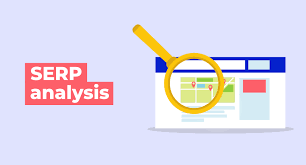
SERP analysis icon showing a magnifying glass over a Google search results page
Chapter 1

Deciphering Google SERPs

"SERP" stands for Search Engine Results Page. When a user types in a search query, the pages chock-full of links and information that Google subsequently generates are the Google SERPs.
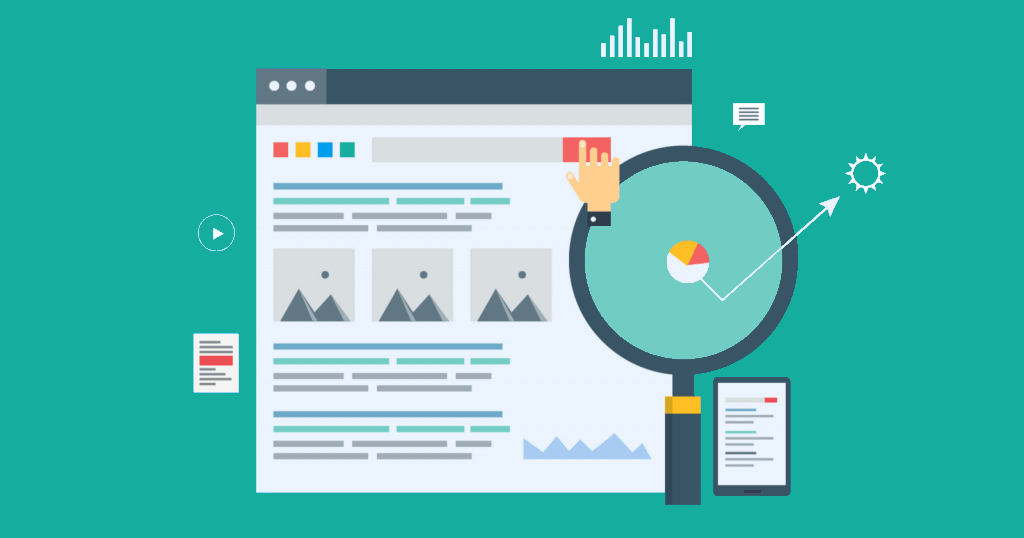
SERP analysis illustration with a magnifying glass examining search engine results, keywords and rankings
Chapter 2

Differentiating Types of Google SERP

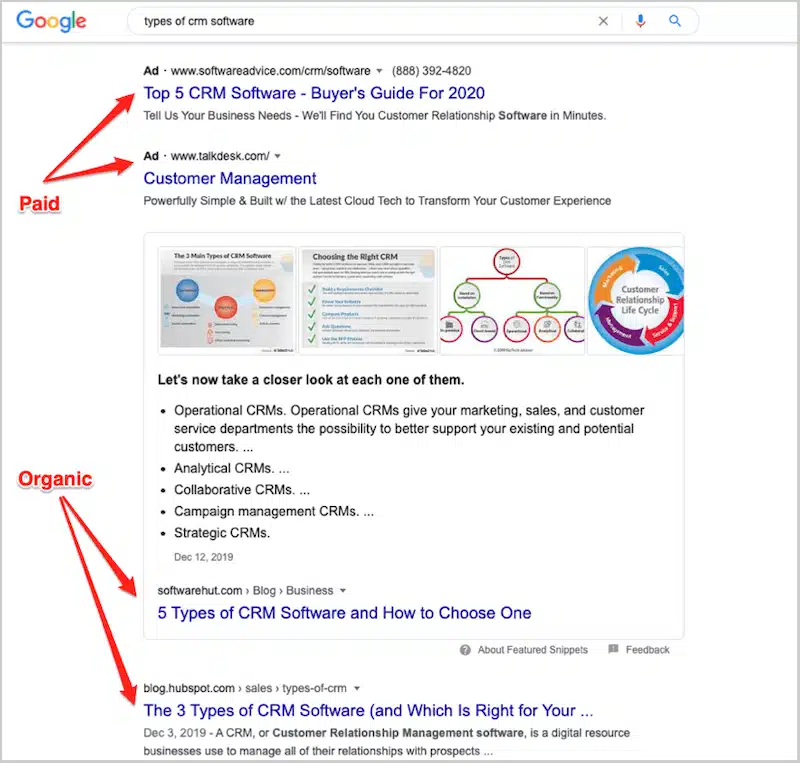
The Google SERPs we see today are far from their early counterparts, which were plain lists of blue links. They've evolved into intricate layouts packed with a range of result types. At the most basic level, we can differentiate two types: organic results and paid results. Organic results are listings that Google's complex algorithm has determined to be most relevant to the searcher's query, whereas paid results are advertisements that businesses have paid Google to feature.

However, Google hasn't stopped at organic and paid results. It has launched an array of features designed to enhance user experience and make information easier to locate and comprehend. Some of these features include:
Google search results page showing the difference between paid Google Ads at the top and organic SEO results below
  1. Featured Snippets: These are selected search results placed on top of Google’s organic results. These aim to directly answer the user’s question, eliminating the need to click on any links.
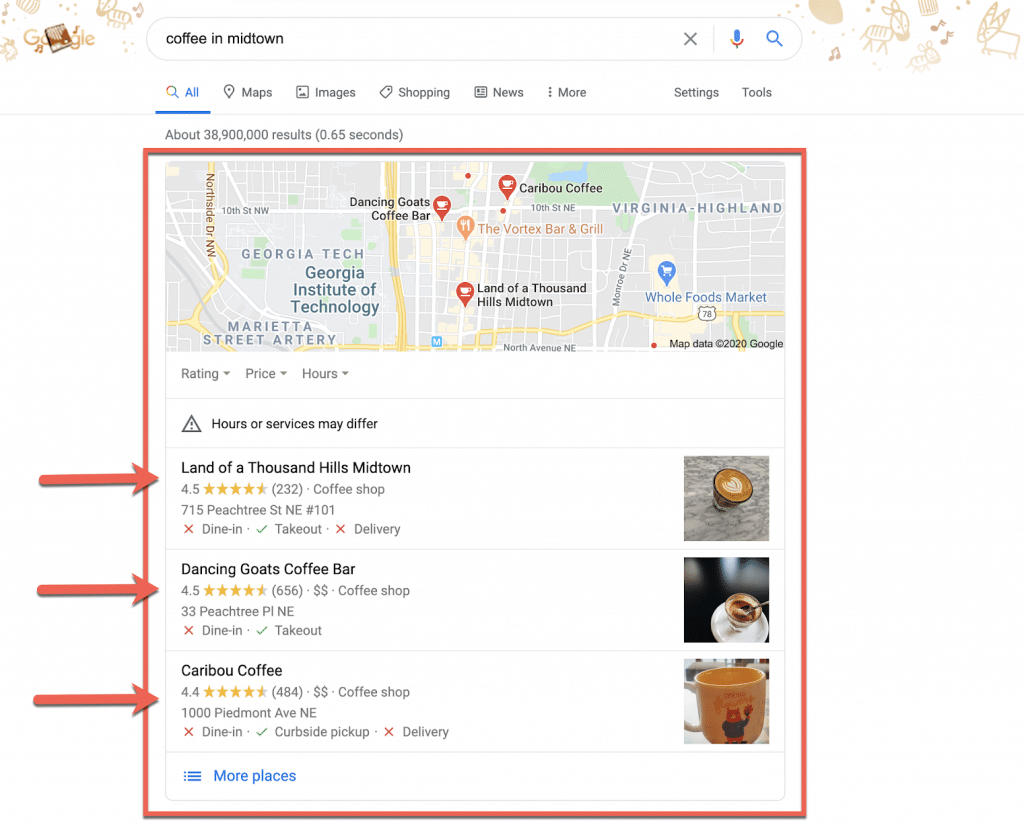
  2. Local Packs: If you’re a local business, you’ll find this feature very beneficial. A local pack shows a map pinpointing three local businesses that match the user’s search query.
  3. Knowledge Graphs: This feature gives a concise and detailed overview of a specific topic, pooling data from various sources.
  4. People Also Ask (PAA): PAA boxes give a list of related questions that users might be interested in based on their initial search.
  5. Image and Video Packs: For certain search queries, Google provides a pack of images or videos, enhancing the search results with visual content.
Chapter 3

Strategies to Master Google SERPs

Gaining a high ranking on Google SERPs requires a blend of careful planning and strategic implementation. Here are a few key strategies to stake your claim within the SERPs:
Featured Snippets and Schema Markup remain important for SEO in 2023
  1. SEO Optimisation: Proper SEO (Search Engine Optimisation) is fundamental for a high SERP ranking. This involves optimising your website and content with relevant keywords, suitable title tags, meta descriptions, and ensuring your site is mobile-friendly.
  2. Local SEO: If your business operates within a specific geographical area, honing in on local SEO can significantly improve your visibility on Google SERPs.
  3. Quality Content: Creating content that provides genuine value to users is key. High-quality content is more likely to be shared, thus increasing its visibility.
  4. Earning Backlinks: Securing backlinks from reputable websites can drastically boost your site’s ranking on Google SERPs.
Chapter 4

Boosting Your Website's Ranking on the SERP

In addition to the strategies outlined above, you can further bolster your website's ranking on the SERP by implementing the following:

Google local pack showing three Google My Business listings for coffee shops with map, ratings and addresses
  1. Content Refresh: Google looks favourably upon fresh, updated content. Regularly reviewing and updating your site’s content can give its ranking a lift.
  2. User Experience Enhancement: A well-designed, user-friendly website is more likely to retain users, which can, in turn, improve the site’s ranking.
  3. Analytics Utilisation: Tools like Google Analytics can provide insights into which strategies are yielding results and which ones aren’t, allowing you to optimise your efforts effectively.
  4. Optimising Loading Times: Websites that load swiftly are favoured by Google’s algorithm, leading to improved SERP ranking.

To have a successful online presence, understanding Google SERPs and how to optimise for them is paramount. By implementing these strategies, you can enhance your website’s visibility, improve its ranking, and ultimately, attract more traffic to your site. Achieving online success is within your grasp once you’ve mastered Google SERPs.

Related articles.

Digital Marketing Tribe blog banner titled ChatGPT Guide for SEO-Friendly Articles with an illustration of a woman at a ChatGPT computer

ChatGPT SEO – How to Make Your Website AI-Ready (2026)

June 22, 2026 | AI SEO, Blogs, SEO

ChatGPT SEO: How to Make Your Website AI-Ready in 2026 ChatGPT SEO is the difference between being the answer ChatGPT...

Read article
Digital Marketing Tribe blog banner titled ChatGPT Guide for SEO-Friendly Articles with an illustration of a woman at a ChatGPT computer

The Ultimate Guide to AI SEO & Generative Engine Optimization (GEO)

January 2, 2026 | SEO

ChatGPT is leading the way for AI-generated content, see how you can use it to create SEO-friendly articles.

Read article

Local SEO Guide for 2024 DMT branded blog banner with location pin and globe illustration

DMTs Ultimate Guide to Local SEO

October 18, 2025 | SEO

The Ultimate Guide to Local SEO by Digital Marketing Tribe provides comprehensive strategies and insights for optimis...

Read article