Projects / Mistral

Mistral

With the aid of Digital Marketing Tribe's Google Ads and SEO strategies, Mistral has been able to grow their direct online sales channel, lift their position in Google search, and reduce their reliance on retail distribution.

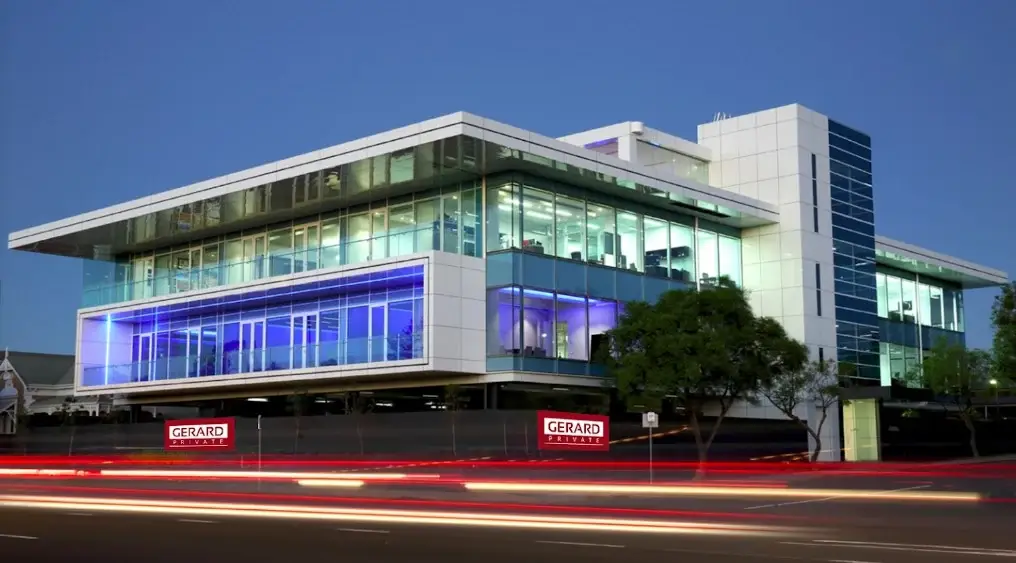
Mistral Appliances head office building lit at dusk

Problem

Mistral is an Australian home appliance brand selling fans, heaters, air coolers, kitchen appliances and air fryers. Most of that volume moved through Bunnings. Selling through a major retailer is good business, but it leaves a brand with no direct relationship with its customers and no control over its own margin. Mistral wanted mistral.com.au to become a genuine sales channel rather than a brochure.

Three things stood in the way. Organically the site was ranking in the double digits, averaging position 10.9 across Australian search, which is the bottom of page one at best and page two in practice. On the paid side the account had accumulated years of campaign sprawl, with more than twenty campaigns, most of them dormant, and daily budget pointed at the wrong ones.

Most importantly, the account could not measure a sale. In the six months before Digital Marketing Tribe took over, the only things being recorded across $4,110 of ad spend were seven abandoned checkout starts and three phone calls. Not a single purchase was tracked. There was no way to know whether Google Ads had ever sold one appliance, which meant there was no way to make a sensible decision about it either. The account then stopped running altogether for a full quarter. Mistral partnered with Digital Marketing Tribe in late 2023 to restart it properly and build the direct channel.

Our Approach

As with all our projects, we began with a thorough audit of Mistral's account and website. The first job was measurement, because nothing else can be judged without it. We implemented purchase tracking so that every order placed on mistral.com.au was attributed back to the campaign that produced it, then stripped out the duplicate and overlapping conversion actions that had accumulated over the years, until the account ran on one clean purchase action and nothing else. From that point on, every decision below was made against real sales rather than against clicks and guesswork.

With the measurement fixed, our Google Ads specialists reviewed search terms continuously and moved budget to whatever was actually converting, which surfaced three problems worth real money. Budget allocation was inverted, with the two weakest campaigns holding the largest daily budgets at $12 a day each while the best performing campaign was capped at $10. A seasonal campaign had been left running well outside its season, spending $1,510 across its life for four conversions. And Shopping was bleeding into competitor research, showing ads to people searching Thermomix, Bellini, Magimix and Ninja, shoppers researching two thousand dollar machines who clicked through to a Mistral product at a fraction of the price and did not buy.

We reversed the budget allocation, paused the seasonal campaign, and added 39 negative keywords covering competitor brands, retailer searches and irrelevant categories.

Alongside the paid work, our SEO team went after position rather than impressions. Rather than chasing new keyword volume, we optimised the pages that were already being seen and were not being clicked, and built a content strategy around the product categories with real seasonal demand. Winter heating was the clearest example, where we targeted column heaters, oil heaters and fireplace heaters ahead of the season rather than during it.

Results

Google Ads – Once the tracking was consolidated onto a single purchase action, the account's real output became visible for the first time. Over the 18 months from January 2025 to the end of the engagement, Google Ads delivered 899 online sales from $31,992 of ad spend, a cost of $35.60 per sale. The campaigns were served 3.7 million times and returned 61,500 clicks at an average cost per click of $0.52, efficient buying in a category where a single click on a competitor brand term can cost several dollars.

The account corrections paid for themselves inside a month. Return on ad spend rose from 5.1x to 7.9x, and monthly website revenue grew from $12,256 to $22,562, with average order value climbing from $222 to $442 as the product mix shifted toward higher value winter heating. That was the strongest trading month of the entire engagement, and it came on the same $2,000 monthly budget as the month before it. Nothing was spent to produce it. The money was simply pointed at the right campaigns.

SEO – The organic result came from better rankings rather than more exposure. Comparing the same window year on year, Australian organic impressions stayed flat at roughly 416,000, while clicks grew from 18,045 to 21,602, an increase of 19.7%. The same number of people saw Mistral and far more of them clicked, which is what a ranking improvement looks like in the data. Average position in Australian search improved from 10.9 to 6.8, a gain of four places, and click-through rate rose from 4.35% to 5.18%.

5.1x → 7.9x
Increase in return on ad spend
$22,562
Monthly website revenue, up from $12,256
899
Online sales delivered through Google Ads at $35.60 each
10.9 → 6.8
Improvement in average Google search position
“A big thank you to the amazing Team at Digital Marketing Tribe! Bilal, Matthew and Dave always go above and beyond, using their knowledge and experience to aid our digital efforts. Approachable and friendly, the boys feel like an extension of our Marketing Team.”
Lisa Kidman, Mistral Appliances
Scroll to Top
Google Reviews
5.0
Excellent
Based on 23 reviews